

Understanding Cash Flow in Rental Properties
The concept of cash flow in real estate is crucial for any investor seeking to maximize their returns. Cash flow refers to the difference between the income generated by a rental property and the expenses associated with owning and managing it. Positive cash flow means your property earns more than it costs to own, which is the ultimate goal for investors aiming for long-term profitability.
In essence, achieving high cash flow requires a strategic approach to selecting properties that have the potential to consistently generate more income than expenses. This involves careful analysis of various factors, including location, rental demand, and property condition. By focusing on these elements, investors can enhance their chances of securing properties that deliver solid returns.
Location: The Foundation of High-Yield Properties
Location is arguably the most significant factor in determining a property’s cash flow potential. Properties situated in areas with high demand for rentals typically offer better opportunities for steady cash flow. Such locations often include urban centers, areas with significant job growth, or regions popular with students or young professionals.

When evaluating a location, consider factors such as local economic conditions, employment rates, and amenities. Areas undergoing infrastructure development or with access to quality schools and transportation links tend to attract tenants and maintain higher occupancy rates. An in-depth analysis of neighborhood trends can provide insights into future property value and rental income potential.
Assessing Rental Demand and Tenant Profiles
Understanding the rental demand in a chosen area is critical. High demand often leads to competitive rental rates and lower vacancy periods, both of which contribute positively to cash flow. Research the demographics of potential tenants and their housing preferences to tailor your property offerings accordingly.
For instance, if an area is predominantly inhabited by families, properties with multiple bedrooms and family-friendly amenities might be more attractive. Conversely, urban settings with a younger demographic may favor smaller apartments with modern conveniences. Aligning property features with tenant needs enhances occupancy rates and rental income.
Evaluating Property Condition and Improvement Potential
Property condition directly affects both immediate rental capability and future appreciation. Initially, properties in sound condition with minimal repair needs are preferable, as they require less upfront investment. However, properties with potential for improvements and upgrades can also be advantageous if purchased at a lower price.
Renovation potential should be evaluated in terms of cost-effectiveness and the likely increase in rental income. Improvements such as modernizing kitchens and bathrooms, enhancing curb appeal, or adding energy-efficient features can attract higher rents. The key is to balance the cost of improvements with the potential for increased revenue.

Understanding Financing Options and Cost Management
Effective management of financing and costs is essential for maximizing cash flow. Various financing options, such as traditional mortgages, hard money loans, or partnerships, offer different benefits and constraints. Choosing the right financing aligns with your investment strategy and risk tolerance.
Additionally, control over ongoing expenses, including property management fees, maintenance costs, and insurance, is crucial. Implementing cost-saving strategies, such as proactive maintenance and energy efficiency upgrades, can significantly enhance cash flow. Regularly review expenses to identify areas for potential savings.
Common Mistakes to Avoid in Cash Flow Investing
Successful cash flow investing requires avoiding common pitfalls that can undermine profitability. Overlooking due diligence, such as thorough property inspections and market analysis, can lead to unforeseen costs and lower-than-expected returns. Similarly, underestimating rental income potential or overestimating tenant demand can result in financial shortfalls.
Another frequent mistake is failing to factor in vacancy rates and seasonal rental demand fluctuations. Realistic projections that account for these variables are essential for accurate cash flow forecasting. Additionally, maintaining a financial buffer for unexpected expenses ensures continued financial stability.
Conclusion: Building a Sustainable Cash Flow Portfolio
Maximizing cash flow through strategic rental property selection is a dynamic process that combines market understanding, financial savvy, and a keen eye for opportunity. By focusing on high-demand locations, understanding tenant needs, and managing costs effectively, investors can build a robust portfolio of high-yield properties.
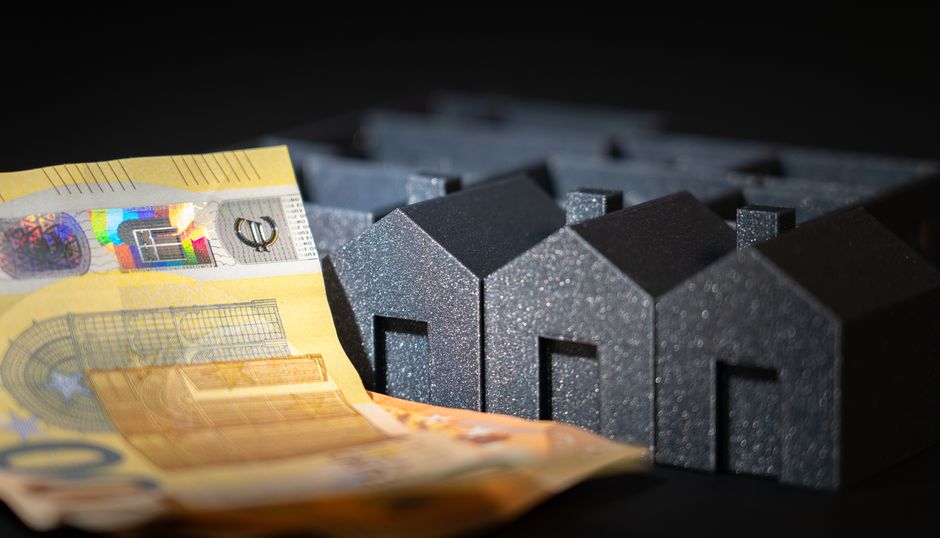
Continual learning and adaptation to market changes are vital for sustaining and enhancing cash flow over time. By applying these principles, investors can achieve long-term success and financial growth in their rental property endeavors.

Unlock Full Article
Watch a quick video to get instant access.

Social Media