

Fix and flip real estate can be a lucrative venture, but it’s not without its challenges. For every successful project, there are others that fail to meet expectations, often due to common mistakes. By examining recent case studies of unsuccessful flips, we can uncover valuable lessons to help you navigate this complex process more effectively.
Underestimating Renovation Costs
One of the most frequent mistakes in fix and flip projects is underestimating renovation costs. Many investors start with an optimistic budget, only to find costs spiraling out of control. A notable case involved a fledgling investor who bought a mid-century fixer-upper, confident that a $30,000 renovation budget was sufficient. However, unexpected issues with the plumbing and electrical systems doubled the renovation costs.
To avoid this pitfall, it’s crucial to have a detailed inspection of the property before purchasing. Hire experienced contractors to provide estimates for potential repairs, and always include a contingency buffer of at least 10-20% in your budget for unforeseen issues. This approach can save significant stress and financial strain.

Conduct Thorough Property Inspections
A thorough property inspection can uncover hidden problems that might not be visible at first glance. Pay special attention to structural elements, roofing, plumbing, and electrical systems, which are often the most costly repairs. Utilizing professionals with a keen eye can prevent costly surprises down the line.
Misjudging the Market
Another common misstep is misjudging the real estate market conditions. A recent example involves an investor who flipped a property in a declining neighborhood, expecting rising market trends would soon reach the area. However, the market softened, and the investor struggled to sell the property at a profit.
To prevent this, conduct a thorough market analysis before purchasing. Consider factors such as neighborhood trends, economic indicators, and comparable sales. It’s essential to understand whether the area is up-and-coming or if it’s on the decline.
Use Local Expertise
Engage with local real estate agents and market analysts who can provide insights into neighborhood dynamics and future projections. Their expertise can guide you in making more informed purchasing decisions.
Poor Time Management
Time is a critical factor in fix and flip projects. Delays can erode profits significantly. A telling case involved an investor who underestimated the renovation timeline, leading to extended holding costs and a missed opportunity to sell during the peak real estate season.
Effective time management involves setting realistic timelines and adhering to them. Engage contractors with a proven track record of delivering on schedule. Consider potential delays such as permit approvals and supply chain issues and plan accordingly.
Establish a Clear Timeline
Create a detailed project timeline with milestones and hold regular progress meetings with contractors to ensure deadlines are met. This proactive approach can help mitigate delays and keep the project on track.
Over-Renovating the Property
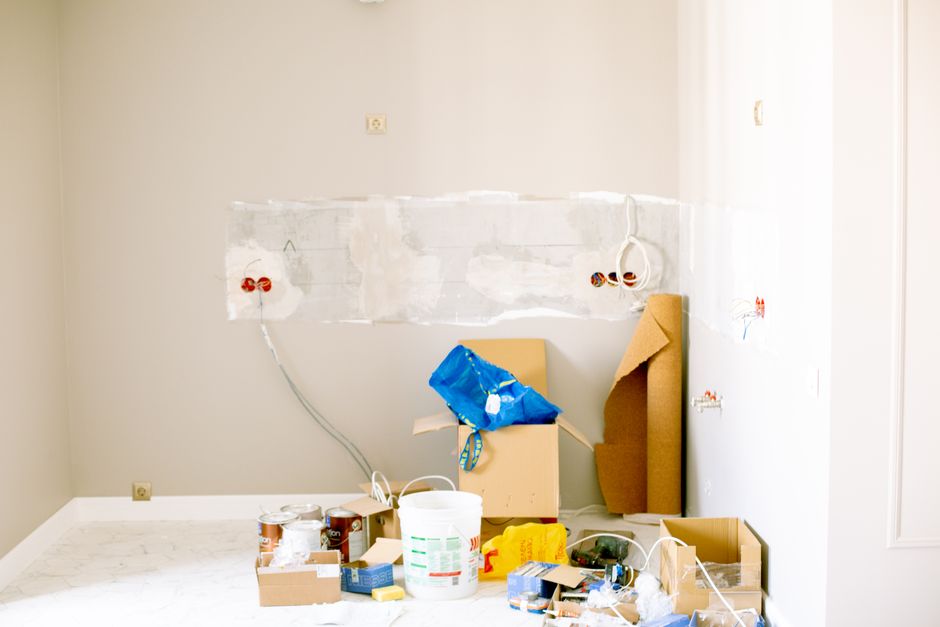
Investors sometimes fall into the trap of over-renovating, adding features that do not align with the market expectations or neighborhood standards. A recent example saw a property sitting unsold because the high-end renovations priced it out of the local market bracket.
To avoid this, renovations should enhance the property while keeping it in line with local market expectations. Focus on improvements that offer the highest return on investment, such as kitchen and bathroom upgrades, while avoiding overly luxurious finishes that don’t match the neighborhood.
Focus on Value-adding Renovations
Identify areas where improvements can significantly increase the property’s value without excessive costs. Consult with local real estate professionals to determine what buyers in the area are seeking.
Inadequate Financing Plans
Securing appropriate financing is a cornerstone of a successful fix and flip strategy. An illustrative failure involved an investor who relied solely on personal savings and a short-term loan with a high-interest rate, leading to cash flow issues as the project extended beyond the anticipated duration.
To circumvent such scenarios, explore various financing options such as hard money loans, traditional mortgages, or partnerships with investors. Ensure that your financing plan allows for flexibility and includes sufficient liquidity to handle unexpected expenses or delays.
Explore Diverse Financing Options
Consider consulting with financial advisors who specialize in real estate investments to identify the best financing option for your situation. Diverse financing strategies can provide the stability needed to navigate the inherent uncertainties of fix and flip projects.
Conclusion
Fix and flip ventures can offer significant rewards but require careful planning and execution. By learning from past mistakes—underestimating costs, misjudging markets, poor time management, over-renovating, and inadequate financing—you can better prepare for the challenges ahead and increase your chances of success.
Remember, the key to a successful fix and flip is thorough research, careful planning, and the ability to adapt to unforeseen circumstances. By taking these lessons to heart, you can navigate the fix and flip landscape more effectively.

Unlock Full Article
Watch a quick video to get instant access.

Social Media