

Stability used to imply stillness. A steady job. A predictable routine. A sense that tomorrow would resemble today closely enough to plan around it. In a world that keeps shifting, that definition no longer holds. Stability hasn’t disappeared — it has changed shape.
Today, stability is less about permanence and more about resilience.
When conditions change constantly, holding everything still becomes impossible. Industries evolve. Technology accelerates. Social expectations shift. What once felt reliable can become outdated quickly. In this environment, stability isn’t achieved by resisting change, but by developing ways to move through it without losing footing.
This shift is subtle but significant. Stability no longer means avoiding disruption. It means recovering from it with minimal damage. It means having systems, relationships, and habits that bend instead of breaking. The emphasis moves from control to adaptability.
Many people experience this recalibration quietly. They stop chasing certainty and start prioritizing continuity. Work becomes less about titles and more about skills that transfer. Homes become places of flexibility rather than permanence. Financial decisions focus on buffer rather than growth alone. These choices don’t feel dramatic, but they reflect a new understanding of what stability requires.
Emotionally, stability now includes tolerance for uncertainty. The ability to hold unanswered questions without panic. To delay decisions without feeling behind. To accept that not everything will resolve cleanly. This emotional steadiness becomes as important as external structure.
The end of the year often brings this into focus. Reflection replaces momentum. People assess not just what they accomplished, but how well they endured. Which routines held. Which relationships supported them. Which systems absorbed stress instead of amplifying it. Stability reveals itself in hindsight, through what remained intact.
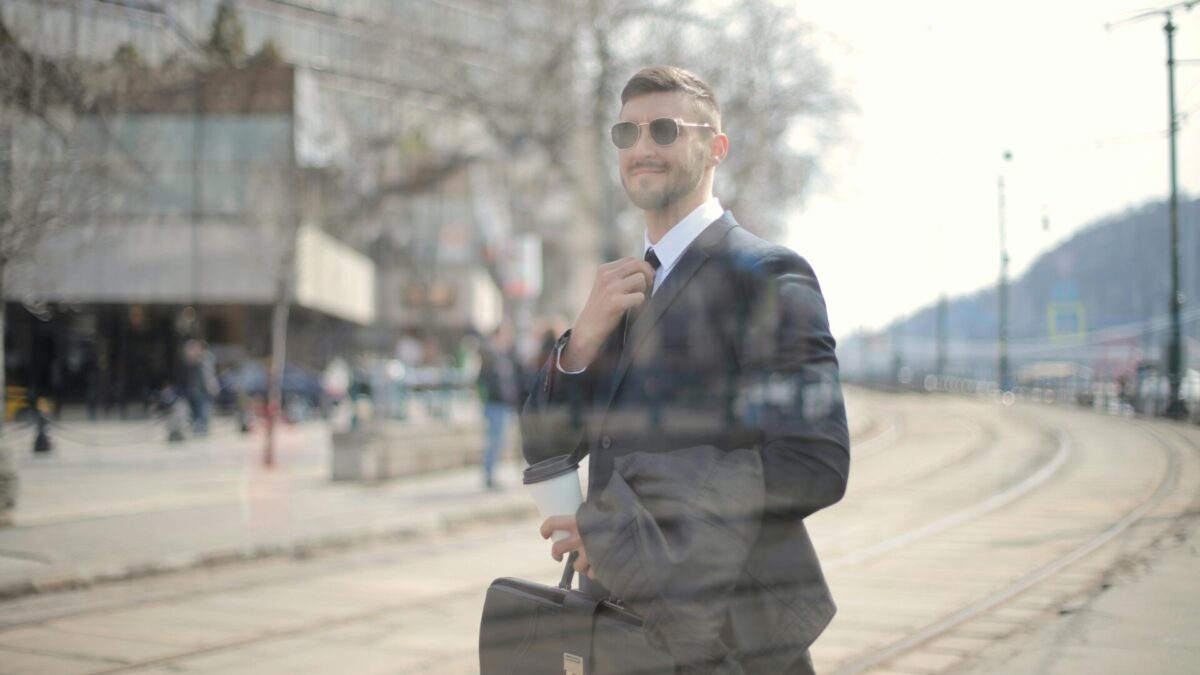
Visually, modern stability looks understated. A familiar workspace that adapts to new demands. A home that changes function without losing comfort. A calendar that allows breathing room. These scenes don’t signal security in the traditional sense, but they represent continuity amid flux.
There’s also a shift in expectations. Stability is no longer assumed to be permanent. It’s treated as provisional — something to be maintained rather than achieved once. This mindset reduces disappointment when change occurs. It replaces shock with preparedness.
Importantly, stability doesn’t mean disengagement. It doesn’t mean lowering ambition or avoiding risk entirely. It means choosing risks that don’t destabilize everything else. It means investing in foundations that support experimentation without collapse.
In a shifting world, stability often lives in small, repeatable actions. Checking in regularly. Maintaining routines that can flex. Keeping communication open. These practices don’t stop change, but they create anchors within it.
There’s also a collective aspect. Stability is increasingly relational. It comes from networks rather than institutions. From trust rather than guarantees. People rely more on shared understanding than fixed structures. This makes stability feel less solid, but more responsive.
What’s uncomfortable about this new definition is that it lacks a finish line. Stability isn’t something you arrive at and keep forever. It’s something you practice. It’s built through awareness, adjustment, and care.
In a world that keeps shifting, stability isn’t about standing still. It’s about knowing how to stay upright while moving forward.


Social Media