

Jumping into the world of real estate can be daunting, especially if you’re considering the popular investment strategy known as ‘fix and flip.’ This process involves purchasing a property, renovating it, and then selling it for a profit. For those with no prior experience, the idea of managing renovations and navigating real estate markets might seem overwhelming. However, with careful planning and a strategic approach, anyone can dive into this potentially lucrative venture.
Understanding the Fix and Flip Concept
Fix and flip is a real estate strategy where investors purchase properties in need of repairs or upgrades, make improvements, and sell them at a higher price. The aim is to buy low, invest in renovations that increase the property’s value, and sell high. The key to making a profit lies in accurately estimating renovation costs and understanding the local real estate market dynamics.
Why Choose Fix and Flip?
There are several reasons why fix and flip projects attract investors. First, they offer the potential for quick returns compared to traditional buy-and-hold strategies. Additionally, they provide hands-on experience in real estate management. Lastly, for those who enjoy home improvement projects, it can be a satisfying endeavor that combines passion with profit.

Finding the Right Property
Success in fix and flip starts with choosing the right property. Here are some steps to guide you:
- Research the Market: Understand the neighborhoods where you plan to invest. Look for areas with growing demand and appreciating property values.
- Identify Potential Properties: Use online real estate platforms, network with local realtors, and attend auctions to find properties that are priced below market value.
- Evaluate the Property: Pay attention to the property’s structural condition and potential for improvements. Factor in the costs of repairs and renovations when assessing its profitability.
Consider starting small with properties that require cosmetic upgrades rather than major structural changes, especially if you’re new to the process.
Securing Funding
Funding is a critical component of any fix and flip project. Here are some common options:
- Traditional Mortgages: Often not ideal for flips due to longer approval times and higher down payments, but they can work if you have strong credit and financial history.
- Hard Money Loans: These are short-term loans, usually from private investors or companies, providing quick access to funds but at higher interest rates.
- Private Investors: Partnering with private investors can be mutually beneficial. They provide capital, and you offer them a share of the profits.
Budgeting Wisely
Establish a realistic budget that includes the purchase price, renovation costs, holding costs (like mortgage payments, insurance, and utilities), and selling expenses. Always have a financial cushion to handle unexpected expenses.
Maximizing Renovation Impact
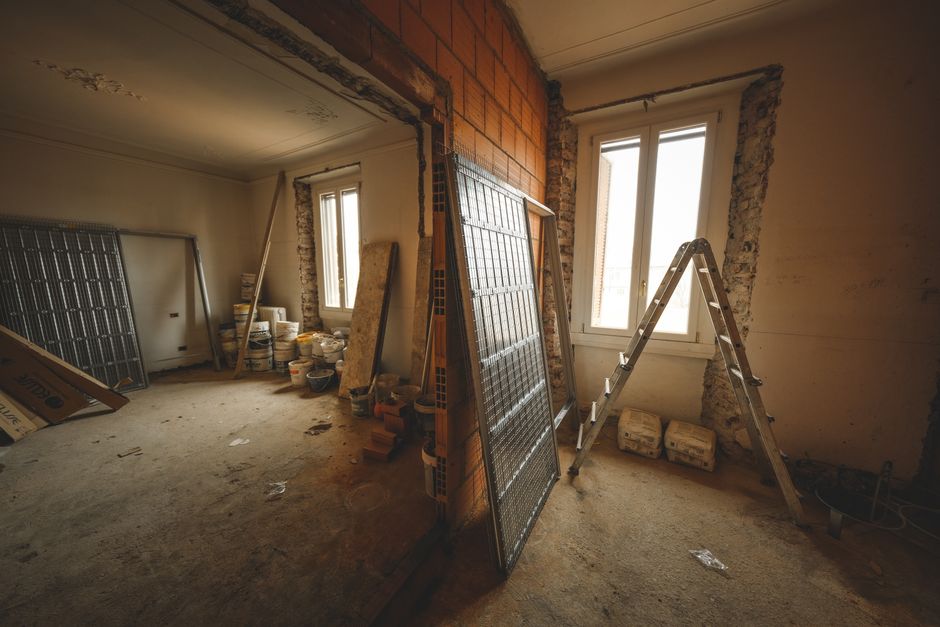
Renovations can make or break your flipping project. Focus on upgrades that significantly boost the property’s market value:
- Kitchen and Bathroom Upgrades: These areas offer the highest return on investment.
- Improving Curb Appeal: Simple landscaping, new paint, and a maintained exterior can make a great first impression.
- Energy-Efficient Improvements: Modern buyers value sustainability; consider updates like energy-efficient windows and appliances.
Effectively Marketing Your Property
Once renovations are complete, selling the property quickly is essential to minimize holding costs. Here’s how to market effectively:
- Professional Photography: High-quality images are crucial for online listings.
- Engage a Real Estate Agent: An experienced agent can help set the right price and market the property to potential buyers.
- Host Open Houses: They can draw in multiple potential buyers, creating urgency and competition.
Common Mistakes to Avoid
While embarking on a fix and flip project, avoid these pitfalls:

- Underestimating Costs: Always allow room in your budget for unexpected expenses.
- Over-Improving: Don’t invest in high-end renovations that don’t align with the neighborhood’s average home values.
- Poor Time Management: Delays can increase costs; set a realistic timeline and manage the project actively.
Conclusion
Fix and flip can be a rewarding venture for those willing to learn and adapt. By understanding market trends, accurately estimating costs, and making smart renovation choices, even beginners can turn a profit. Remember, success in this field often comes from careful planning, thorough research, and a willingness to learn from each project.

Unlock Full Article
Watch a quick video to get instant access.

Social Media