

As the world transitions into a new era of work and lifestyle adjustments post-pandemic, property managers are finding innovative ways to adapt. Remote property management has become not only feasible but also essential for those looking to streamline operations and maintain tenant satisfaction despite physical distance. This article explores strategies for effectively managing properties virtually, ensuring property managers can thrive in this new environment.
Embracing Digital Tools for Remote Management
The backbone of efficient remote property management lies in leveraging digital tools. These tools facilitate communication, automate tasks, and provide comprehensive oversight irrespective of physical location. Property management software is crucial, offering functionalities for tenant management, maintenance requests, leasing, and accounting. When selecting software, prioritize platforms that offer cloud-based access, robust security measures, and user-friendly interfaces.
Virtual tours and 3D walkthroughs have also gained traction, enabling prospective tenants to view properties without an in-person visit. This not only broadens the reach of potential tenants but also saves time for both parties. Ensure that virtual tour technology is compatible with most devices and offers high-quality visuals for the best experience.
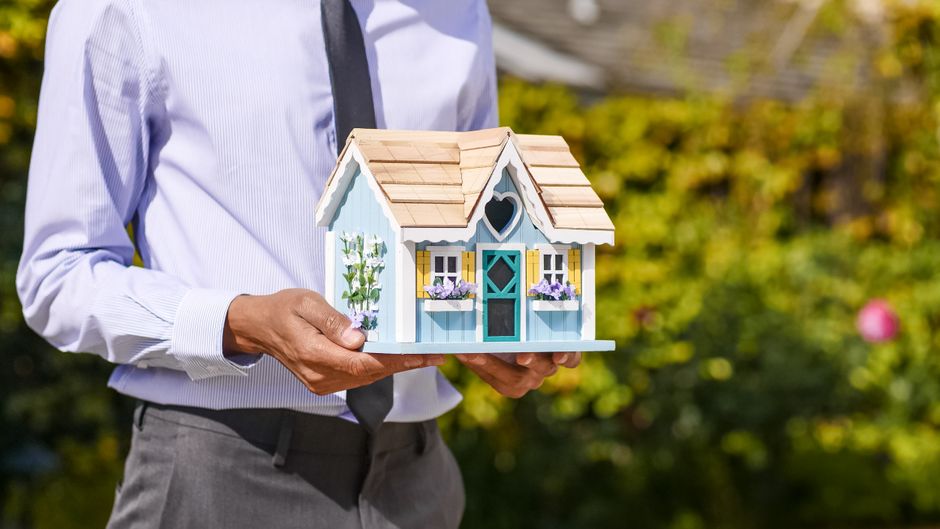
- Implement property management software for seamless operation.
- Utilize virtual tours to showcase properties to prospective tenants.
Effective Communication Strategies
Communication is pivotal in remote property management. Establish clear and consistent communication channels with tenants and staff. Email, messaging apps, and video conferencing tools like Zoom or Microsoft Teams can bridge the gap of distance. Create a communication policy that outlines how and when tenants can reach out, ensuring their issues are addressed promptly.
Regular newsletters or updates can keep tenants informed about property news or changes in policies. Encourage feedback through digital surveys to gauge tenant satisfaction and areas for improvement. This proactive approach helps in maintaining strong relationships with tenants, even remotely.
Building Trust Remotely
Building trust with tenants without face-to-face interaction requires transparency and reliability. Ensure all communications are timely and honest. Address tenant concerns with empathy and prompt resolutions. Consider implementing an online portal where tenants can track the status of their requests and view updates in real time.
Managing Maintenance and Repairs Virtually
Handling maintenance and repairs remotely demands organization and a reliable network of local contractors. Encourage tenants to report issues through an online platform where they can attach photos or videos, helping you assess the situation accurately. This not only speeds up the process but also improves communication between tenants and contractors.
Establish relationships with trusted local vendors who can respond quickly to urgent repairs. Ensure they understand your communication preferences and protocols to maintain service quality. Regular virtual check-ins with vendors can help manage expectations and assess ongoing work quality.
Data Security and Privacy
With increased reliance on digital tools, data security becomes paramount. Protect tenant information and sensitive data by implementing strong security protocols. Use encrypted communications and secure storage solutions to prevent unauthorized access. Educate staff and tenants about data privacy practices to ensure everyone’s information remains safe.
Regularly update software and systems to protect against new vulnerabilities. Consider hiring a cybersecurity consultant to audit your systems and provide recommendations for improvement. Creating a culture of security awareness can significantly reduce the risk of data breaches.
Adapting Lease Agreements and Policies
The shift to remote management might necessitate revisiting lease agreements and policies to reflect new practices. Consider adding clauses that address digital communication, virtual inspections, and maintenance protocols. Ensure that lease agreements are clear, legally sound, and tailored to your remote management strategies.
Consult with legal experts to ensure compliance with local laws and regulations. Keeping policies updated and transparent helps in avoiding potential disputes and enhances tenant trust.
Common Mistakes to Avoid
Remote property management presents unique challenges, and certain pitfalls are common. Overreliance on technology without human interaction can make tenants feel isolated. Balance digital communications with personal touches, such as personalized emails or occasional phone calls.
Another common mistake is neglecting to train staff on new technologies. Ensure your team is well-versed in using digital tools through regular training sessions. Lastly, failing to regularly update and adapt policies in response to feedback can lead to tenant dissatisfaction. Stay proactive and responsive to ensure a successful remote management experience.

In conclusion, adapting to remote property management in a post-pandemic world requires embracing technology, enhancing communication, prioritizing data security, and continuously updating policies. By taking these steps, property managers can effectively manage their properties and maintain tenant satisfaction despite the challenges of physical distance.

Unlock Full Article
Watch a quick video to get instant access.

Social Media