

Fixing and flipping properties can be a lucrative venture, offering the potential for substantial profits. However, it’s a path fraught with challenges that can trip up even seasoned investors. By understanding common pitfalls and learning how to avoid them, you can increase your chances of success in the fix and flip market.
Underestimating Renovation Costs
One of the most frequent mistakes in fix and flip projects is underestimating the cost of renovations. Many investors fall into the trap of assuming that renovations will be straightforward and inexpensive. However, unexpected issues often arise, leading to budget overruns.
To avoid this, conduct a thorough inspection of the property before purchase. It’s advisable to work with experienced contractors who can provide realistic estimates. Additionally, always include a buffer in your budget to accommodate unforeseen expenses such as structural repairs or replacing outdated systems.

Poor Market Research
Success in fix and flip largely depends on understanding the real estate market. A common error is failing to research the market thoroughly. Investors may either overestimate the selling price or buy in a declining neighborhood.
To mitigate this risk, study local real estate trends, attend open houses, and consult with real estate agents who know the area well. Look for neighborhoods with rising property values and low crime rates. Understanding the target buyer’s preferences can also guide renovation decisions to enhance appeal.
Ignoring the Importance of Location
The adage “location, location, location” holds true in real estate. A poor location can significantly impact the resale value of a property. Some investors overlook this factor, focusing solely on the property’s potential.
Evaluate the property’s location in terms of amenities, school districts, and future development plans. Properties in desirable areas near schools, parks, and shopping centers tend to sell faster and at higher prices.
Inadequate Project Management
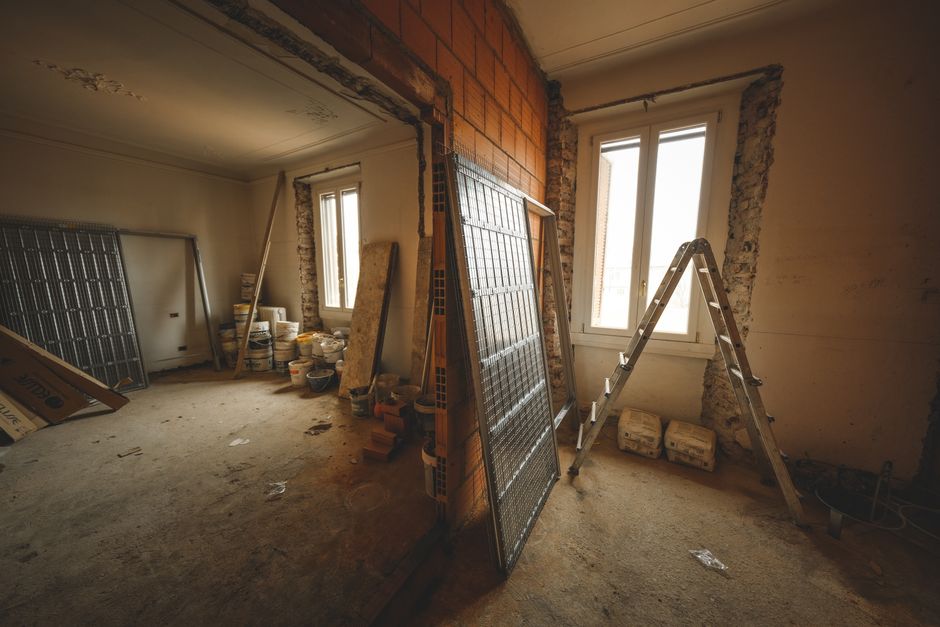
Managing a fix and flip project requires careful coordination of timelines, contractors, and budgets. Many projects falter due to poor management, leading to delays and increased costs.
Implementing a clear project plan with defined milestones is crucial. Regular check-ins with contractors and adhering to a timeline can help keep the project on track. Using project management software or hiring a professional manager can also streamline the process.
Over-improving the Property
While making improvements can increase a property’s value, over-improving can lead to diminishing returns. Some investors make the mistake of adding high-end features that exceed the norms of the neighborhood.
Focus on improvements that offer the best return on investment, such as kitchen and bathroom upgrades. Ensure that renovations are in line with local market expectations to avoid pricing the property out of the market.
Common Mistakes to Avoid
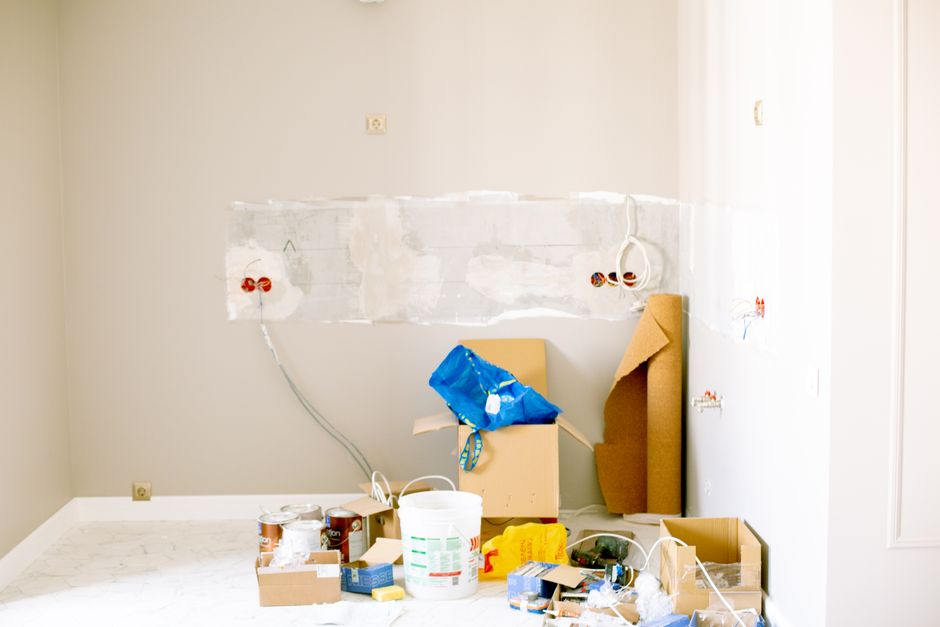
- Skipping the inspection phase: Always conduct a thorough inspection to identify potential issues early.
- Rushing the flip: Take time to ensure quality renovations that will attract buyers.
- Neglecting to market effectively: Use professional staging and photography to showcase the property.
Conclusion: Setting Yourself Up for Success
Fix and flip projects can be profitable, but they require careful planning and execution. By being aware of common pitfalls, such as underestimating costs, poor market research, and inadequate project management, you can minimize risks and increase your chances of success. Remember, informed decisions and strategic investments are the keys to thriving in the fix and flip market.

Unlock Full Article
Watch a quick video to get instant access.

Social Media