

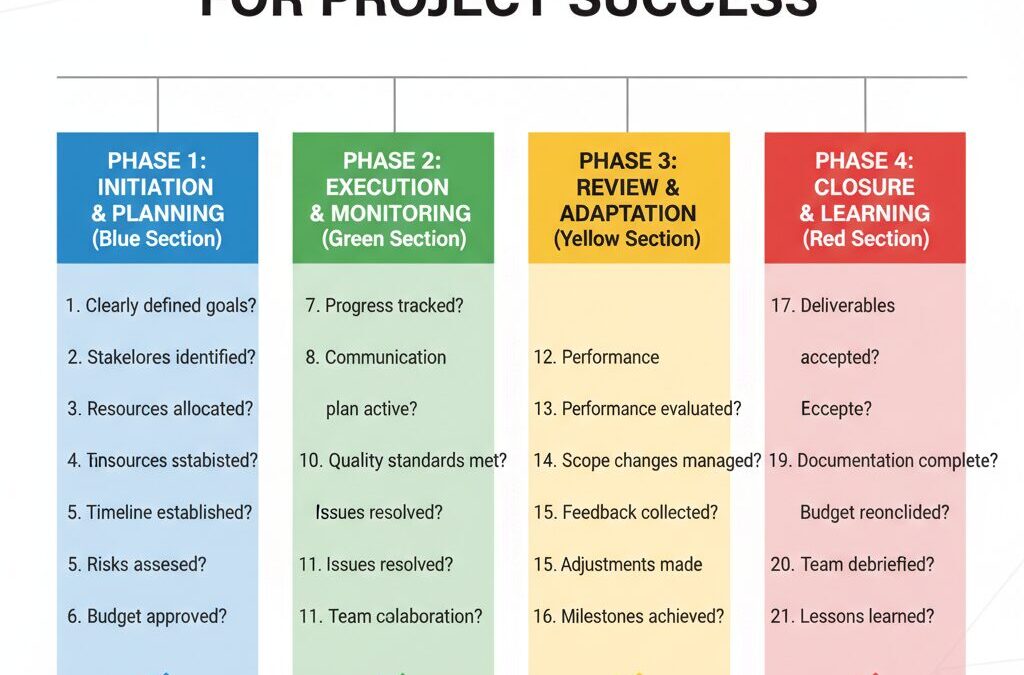
Closing a commercial property deal in 2025 could be your biggest win yet—or a costly nightmare if you pick the wrong legal guide. With transaction values soaring 15% year-over-year and new ESG mandates hitting every major market, thousands of buyers are scrambling for attorneys who can navigate zoning traps, AI-driven due diligence, and hidden climate risks.Don’t join the 28% who regret their hire—use this vetted 21-question checklist to interview top candidates and lock in the perfect match before rates climb higher.
Why 2025 Demands a Smarter Attorney Selection Process
Commercial real estate isn’t what it used to be. Deals now average $5.2 million in key markets like Portland, OR, where salaries for top attorneys range from $129,000 to $330,000 annually, reflecting their premium value.[6] Recent trends show 62% of transactions involving joint ventures or development projects, up from 45% in 2023, per industry reports. Add in AI tools slashing due diligence time by 40% and mandatory ESG disclosures under new federal guidelines, and you need counsel who’s ahead of the curve—not playing catch-up.
Top firms like Milshar, LLC in Portland are snapping up mid-level attorneys with 3-8 years in acquisitions, dispositions, and real estate finance, demanding Am Law 100 experience and Oregon Bar admission.[4] Buyers who skip rigorous vetting risk delays costing $50,000+ per month in holding fees. This checklist, drawn from bar association protocols and expert hiring guides, arms you with FOMO-proof questions that separate elite performers from average ones.

Section 1: Vet Their Commercial Deal Experience (Questions 1-5)
Start with asset-type mastery. Generic residential lawyers flop in commercial waters.
Question 1: How many commercial acquisitions over $3M have you closed in the last 24 months?
Probe for specifics: Expect 10+ deals minimum. Firms like Anderson Hunter Law emphasize specialists in property disputes or new construction.[1] Top answer: “25 deals, including a $12M Portland warehouse acquisition with joint venture structuring.”
Question 2: Walk me through your experience with my property type—office, industrial, retail, or multifamily?
Industrial deals spiked 22% in 2025; ensure they’ve handled zoning variances for similar assets.
Question 3: Have you managed borrower-side real estate finance for deals like mine?
Milshar prioritizes this—borrower-side pros save 2-3% on loan terms via savvy negotiation.[4]
Question 4: Describe a recent deal where you uncovered a title defect that saved the buyer money.
Look for quantifiable wins: “Saved $450K by spotting an undisclosed easement.”
Question 5: What’s your win rate on lease negotiations for commercial tenants?
Aim for 90%+; poor negotiators leak profits.
Section 2: Test Local Market and Regulatory Savvy (Questions 6-10)
Local knowledge is non-negotiable—zoning laws vary wildly by city.
Question 6: How deep is your knowledge of local zoning, permitting, and land use in [your city]?
In Portland, Oregon Bar membership is table stakes.[4] Elite attorneys cite recent wins like expediting permits under new 2025 green building codes.
Question 7: How do you assess climate and ESG risks in due diligence?
2025 mandates require flood zone audits and carbon footprint analysis. Top firms use tools like Climatescape AI for predictive modeling—ask if they integrate it.
Question 8: Have you handled deals impacted by recent federal ESG regulations?
Stats show 35% of deals now flagged for non-compliance; pros flag these early.
Question 9: What’s your process for public records searches and lien discovery?
Expect mention of digital platforms like LexisNexis or county GIS tools, cutting research time by 50%.[2]
Question 10: Can you share a case study of navigating a contentious local ordinance?
Social proof shines here—referrals from peers beat ads every time.[1]

Section 3: Gauge Tech Adoption and Efficiency (Questions 11-14)
AI is revolutionizing law: 70% of top firms use contract review tools like Kira Systems ($10K/year subscription) or Luminance AI (custom pricing ~$20K/deal equivalent savings).
Question 11: What AI or tech tools do you use for contract review and due diligence?
Red flags: None. Greens: “Kira for 80% faster title reviews.”
Question 12: How has tech reduced timelines or costs in your recent deals?
Target 30-40% savings; laggards cost you.
Question 13: Do you use virtual data rooms like DealRoom ($500/month) for secure doc sharing?
Essential for multi-party commercial deals.
Question 14: How do you leverage predictive analytics for deal risk?
Section 4: Scrutinize Fees, Communication, and Conflicts (Questions 15-21)
Fee structures vary: Hourly ($450-$750/hr for seniors), flat-fee ($15K-$50K for mid-size deals), or hybrid. Anchor high: Negotiate from $600/hr quotes down.
Question 15: What’s your fee structure—hourly, flat, or contingency—and estimated total for my deal?
Get budgets in writing.[1]
Question 16: How do you track and report billable hours transparently?
Clio Manage software ($39/user/month) is gold standard for real-time portals.
Question 17: What are your communication standards—response times, update frequency?
Expect <24hr responses; email/text portals mandatory.[2]
Question 18: How do you handle conflicts of interest, especially with repeat developers?
Strict firewalls required.
Question 19: Can you provide 3 client references from similar deals?
Call them—social proof seals it.
Question 20: What’s your team backup plan if you’re unavailable?
No solo acts in high-stakes commercial.

Question 21: How do you ensure deals close on time in a rising-rate environment?
Next Steps: Interview 3-5 Today and Save Thousands
Action plan: Copy this checklist, contact your state bar association for referrals, and schedule calls with 3 candidates this week. Top Portland options via ZipRecruiter include roles signaling hot talent pools.[6] Use urgency: Rates are climbing, inventory’s tight—secure your edge now. Vetted attorneys from firms like Milshar deliver 20% faster closings.[4] Don’t delay; email your top pick with this list today.

Unlock Full Article
Watch a quick video to get instant access.

Social Media